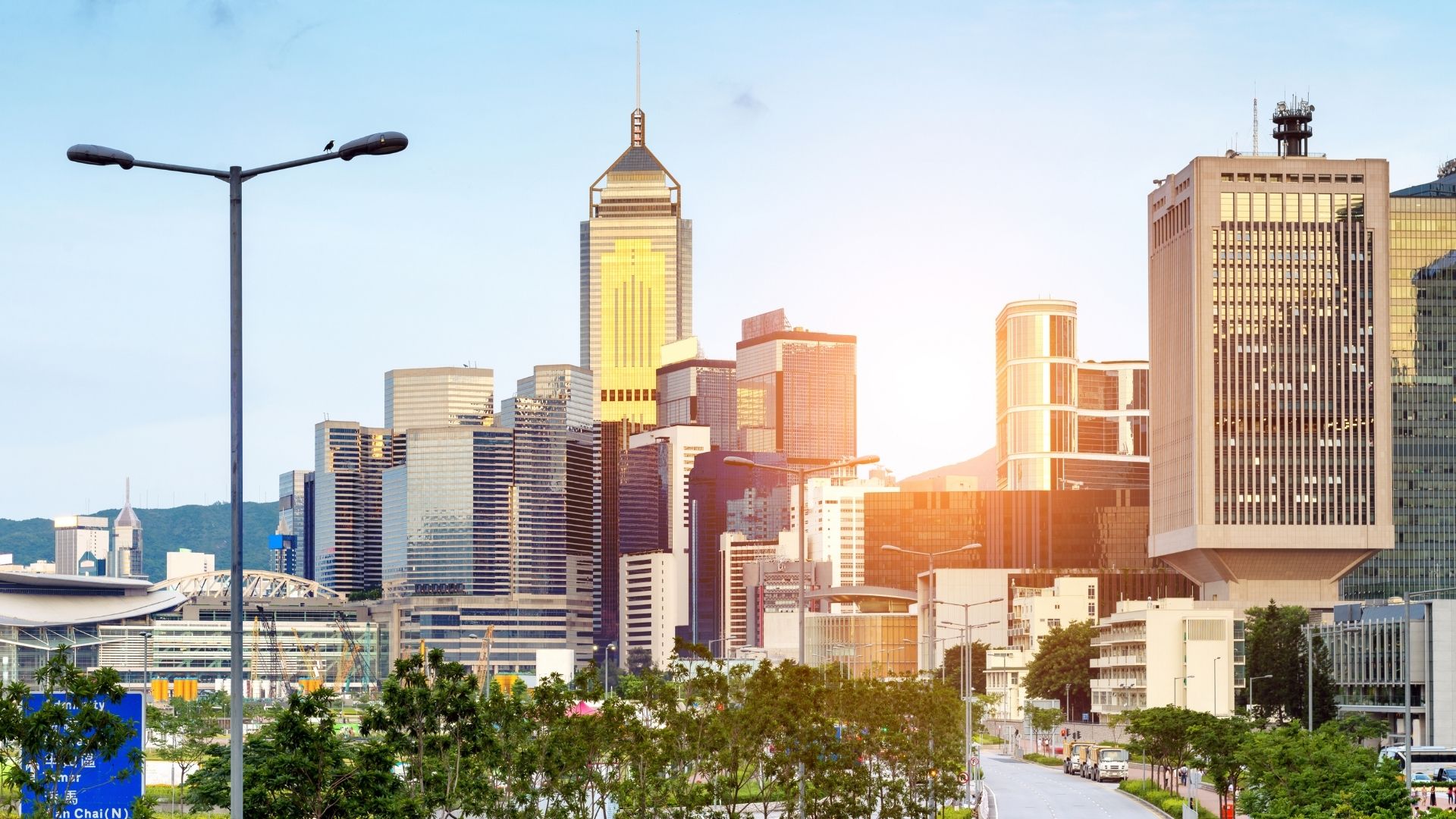
Hong Kong has emerged as one of the leading destinations for single-family offices seeking to establish or expand operations in Asia. Its high-quality living standards, strategic geographical access to the dynamic markets of Mainland China and internationally recognised regulatory frameworks position the jurisdiction as an inherently attractive location for family office formation. In recent years, that attraction has been reinforced by a series of targeted legislative and regulatory developments spanning profits tax reform, residency incentives and structural innovation.
This briefing summarises the key features of the Hong Kong family office regime for practitioners and financial services professionals considering the jurisdiction.
The profits tax concession
The Inland Revenue (Amendment) (Tax Concessions for Family-owned Investment Holding Vehicles) Ordinance 2023, which came into force on 19 May 2023, provides tax exemptions for Family-owned Investment Holding Vehicles (FIHVs) managed by eligible single-family offices. The concessions extend to Family-owned Special Purpose Entities (FSPEs) established by FIHVs, in proportion to their corresponding beneficial interest in the FIHV.
To qualify, the FIHV must:
- be an entity that does not constitute a business undertaking for general commercial or industrial purposes;
- be normally managed or controlled in Hong Kong during the relevant basis period;
- be managed by an eligible single-family office;
- meet a minimum asset threshold of HK$240 million; and
- conduct core income-generating activities across a broad range of eligible asset classes including listed securities, bonds, deposits, foreign currencies, and interests in certain funds and private companies.
An eligible single-family office is defined as a private company managed or controlled in Hong Kong, with at least 95% of its beneficial interest held by members of a single family. It must fulfil the “safe harbour rule”, under which at least 75% of its assessable profits must derive from services provided to the family. Failure to meet this threshold in a given year results in loss of access.
The “Substantial Activities Requirement” mandates that the FIHV maintain at least two full-time employees in Hong Kong and incur a minimum operating expenditure of HK$2 million, ensuring genuine economic presence in the jurisdiction.
The broader tax environment
The profits tax concession sits within an already advantageous fiscal framework. Hong Kong operates a two-tiered corporate tax regime, at 8.25% on the first HK$2 million of assessable profits and 16.5% on the remainder, with taxation limited to income sourced within the jurisdiction. There is no capital gains tax, sales tax, value added tax, investment withholding tax, estate tax, or tax on dividends or interest from savings. This framework is supplemented by Hong Kong’s network of double taxation agreements, providing greater certainty for family offices as to their overall tax exposure.
Practitioners should note that the concession operates alongside Hong Kong’s general anti-avoidance provisions under the Inland Revenue Ordinance. Structures that technically satisfy the eligibility criteria but lack genuine economic substance beyond the minimum statutory requirements may be vulnerable to challenge and advisers should ensure that the overall architecture of a family office structure reflects genuine commercial rationale.
The Capital Investment Entrant Scheme
The Capital Investment Entrant Scheme (CIES), relaunched in 2024, offers a fast-track residency pathway to individuals who make a qualifying investment of HK$30 million (approximately US$3.9 million). At least HK$3 million must be directed into a government-managed investment portfolio, with the remainder held in eligible financial assets, and permanent residence becomes available after a seven-year period. Family members may be included in the application, facilitating the relocation of entire families alongside their family office operations. By the first-year review in April 2025, more than 1,257 applications had been received, with approved investments expected to bring in excess of HK$37 billion to Hong Kong.
Navigating the regulatory framework
Family offices eligible for tax concessions may nonetheless be subject to licensing obligations under the Securities and Futures Ordinance (SFO), including in respect of Type 9 (asset management) and Type 1 (dealing in securities) regulated activities. The SFO does not provide specific exemptions for family offices and conducting regulated activities without the requisite licence carries criminal liability and may limit access to tax benefits.
In response, the Securities and Futures Commission released a licensing requirement guide on 15 July 2025, identifying two principal tiered-structure options for single-family offices that do not require licences. Other approaches include outsourcing SFO-regulated activities to licensed third-party companies or structuring the allocation of services so that regulated activities are undertaken by the FIHV through directors’ decision-making rather than by the single-family office itself.
For fund structuring, the Limited Partnership Fund (LPF) is particularly well suited to single-family offices, as no licensed manager is required and SFC approval is not needed for registration. Its cost of establishment and maintenance compares favourably with structures used in Singapore and the Cayman Islands.
How Dentons can help
Hong Kong’s family office regime presents compelling opportunities for ultra-high-net-worth families and their advisers. Structuring decisions should be made with a thorough understanding of both the opportunities and the regulatory complexities that the current framework presents. Dentons’ team has extensive experience advising on family office formation, tax structuring, regulatory compliance and cross-border wealth planning across Hong Kong and the wider Asia-Pacific region. We would be pleased to discuss how we can assist.

For further information, please contact:
Henry Brandts-Giesen, Partner, Dentons
henry.giesen@dentons.com