Most car accident claims in Florida are not lost in a courtroom. They are lost in parking lots, hospital waiting rooms, and during the initial phone call before anyone talks to a lawyer. The decisions made in the hours and days following a crash disproportionately affect what an injured person can ultimately recover. The mistakes that damage these claims are almost always the same ones.
This is not a list of obscure legal technicalities. They are common, understandable errors that seem reasonable at the time but create serious problems later. If you or someone you know has recently been in a car accident in Florida, understanding these five mistakes may be the most useful thing you read today.
Mistake 1: Accepting That You Feel Fine and Skipping Medical Evaluation
This is the most common and damaging mistake that Florida accident victims make. After a crash, adrenaline suppresses pain signals, and as a result, many people walk away from serious accidents feeling shaken but functional. They decline the offer of emergency transport and plan to see how they feel in a few days.
The problem is that some of the most significant car accident injuries are not apparent at the scene. Traumatic brain injuries may present with subtle symptoms, such as a mild headache or slight confusion, which may not seem alarming in the context of a stressful crash. Soft tissue injuries to the cervical spine may not cause significant pain for 24 to 72 hours after the accident.
If an injured person waits several days to seek medical care, the insurance company representing the at-fault driver may argue that the delay proves the injuries were not caused by the crash or were not serious enough to require immediate attention. It is a simple argument, and it is effective.
The solution is equally simple. Seek a medical evaluation on the same day, even if you feel relatively okay. A medical record created on the day of the crash is one of the most important pieces of evidence in any Florida personal injury claim because it establishes a connection between your injuries and the incident, preventing anything else from being proposed as an alternative cause.
Mistake 2: Giving a Recorded Statement to the At-Fault Driver’s Insurer
Within hours of a serious crash, the at-fault driver’s insurance company may call and request a recorded statement about what happened. The adjuster is usually professional and sympathetic. They frame themselves as someone who just wants to understand the situation so they can help.
This is not what is happening. A recorded statement taken at this stage locks the injured person into a version of events before they have all the information about the crash, their injuries, and their legal rights. Anything said in the statement can be used to reduce or eliminate the claim.
Florida law does not require you to provide a recorded statement to the other driver’s insurance company. While you are required to cooperate with your own insurer under your policy terms, the at-fault party’s insurer has no legal right to compel your participation. It is both appropriate and advisable to politely decline and direct them to speak with your attorney after you have one.
Mistake 3: Settling Before the Full Medical Picture Is Known
After a car accident, insurance companies often move quickly to offer a settlement. The amounts offered at this early stage are based on closing the file before the injured person knows the actual cost of their injuries.
Consider the following common Florida scenario: A driver is rear-ended at a Sarasota intersection and sustains what initially appears to be a moderate cervical strain. A few weeks later, the driver accepts a settlement of several thousand dollars. Six months after signing the release, the driver discovers that the cervical strain produced a herniated disc that requires surgery. The surgery costs tens of thousands of dollars. The settlement check has long been spent. Because Florida car accident settlements include a release of all claims arising from the incident, there is no legal recourse.
According to Florida law, once you sign a settlement release, you cannot reopen the claim. The release is binding, regardless of any subsequent medical developments. This is why Florida personal injury attorneys typically advise waiting until you have reached maximum medical improvement before evaluating any settlement offer.
Mistake 4: Not Documenting the Scene Because You Assumed the Police Report Was Enough
Police reports are important evidence in car accident claims in Florida. However, they are also incomplete. Officers document only what is immediately visible: vehicle positions, observable damage, statements from the drivers, and any obvious contributing factors. However, they do not capture the full context of the scene.
Photographs taken by the injured person at the scene can fill that gap. Images of tire marks, debris fields, road conditions, traffic control visibility, and the specific areas of vehicle contact provide factual details that support arguments of liability and counter the insurer’s reconstruction of events. Photographs of visible injuries, even minor cuts or bruising, document the immediate physical impact before the body’s natural healing process begins to obscure the evidence.
If it is safe to do so after a crash, thoroughly document the scene before moving vehicles. Collect the names and contact information of any witnesses. These steps only take a few minutes but can have a significant impact on the outcome of a claim that takes months to resolve.
Mistake 5: Waiting Too Long to Consult an Attorney
According to Florida Statute Section 95.11, the statute of limitations for car accident injury claims is two years from the date of the crash. While two years may sound like an adequate amount of time, it often isn’t enough for gathering evidence. However, the evidence most important to proving what happened deteriorates on a much shorter timeline.
For example:
- Surveillance footage from businesses near the crash scene is typically overwritten within thirty days.
- Dashcam footage from other vehicles may be lost if the owner does not see a reason to preserve it.
- Witness memory fades, and contact information becomes more difficult to track down with each passing week.
- Vehicle damage is repaired, eliminating the physical evidence it contained.
- Electronic data from vehicle control modules that can establish pre-impact speed, braking, and steering input is subject to being overwritten during routine vehicle operation.
An attorney who is contacted promptly after a crash can issue formal preservation demands to all parties holding relevant evidence before it disappears. This step cannot be replicated later. Once the footage is overwritten, it is gone.
In most Florida personal injury practices, consulting a car accident attorney also costs nothing at the initial stage. Most accident attorneys offer free consultations and work on a contingency basis, meaning no attorney fees are charged unless compensation is recovered. The practical cost of waiting is not the consultation. Rather, it is the evidence that cannot be recovered after the fact.
The Pattern Behind These Mistakes
When viewed together, these five mistakes reveal a pattern. Each one involves making a decision without having all the necessary information about the injuries, the legal rights involved, and how the claims process actually works. Insurance companies understand this information gap and often benefit from it.
The most effective protection against these mistakes is prompt medical evaluation, careful documentation at the scene, and early consultation with a car accident attorney who can explain Florida’s specific rules that apply to your situation before you make irreversible decisions.
Florida’s car accident laws, particularly the 2023 changes to comparative fault and the two-year statute of limitations, have created a legal environment where the window for effective action is narrower than it has historically been. Cases that achieve meaningful results are almost always those where the injured person took the right steps early on, not those where they eventually caught up.
Frequently Asked Questions
Is it free to consult with a Florida car accident attorney?
Most personal injury attorneys in Florida offer free initial consultations and work on a contingency fee basis. This means that no attorney fees are charged unless compensation is recovered. The consultation itself carries no financial risk or obligation to proceed.
What if I already gave a recorded statement to the insurance company?
A recorded statement does not automatically damage a claim; it depends on what was said. Even after the fact, consulting an attorney allows for damage assessment, strategic preparation, and, in many cases, meaningful recovery. Doing so sooner rather than later limits the continued impact.
How do I know if my injuries are serious enough to warrant a claim?
Any injury that required medical treatment, resulted in lost work time, or is expected to require future treatment is significant enough to discuss with an attorney. The threshold is not catastrophic injury. It is harm with measurable medical or financial consequences.
This article is intended for general informational and educational purposes only and does not constitute legal advice. Florida law varies by jurisdiction and individual circumstances. Readers should consult a qualified Florida attorney for advice specific to their situation.
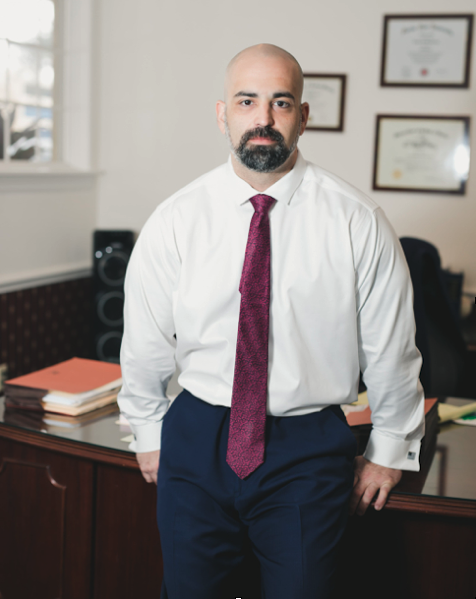
Author Name: Attorney Joshua Dannheisser
Joshua Dannheisser is a driven and passionate trial attorney who brings a single-minded focus to achieve the very best outcome for every client. He provides personalized service to every client and his drive, background and dedication make him the relentless litigator who goes the extra mile for those he represents.
Website: https://dannheisserinjurylaw.com/
Email: josh@pdfattorneys.com